
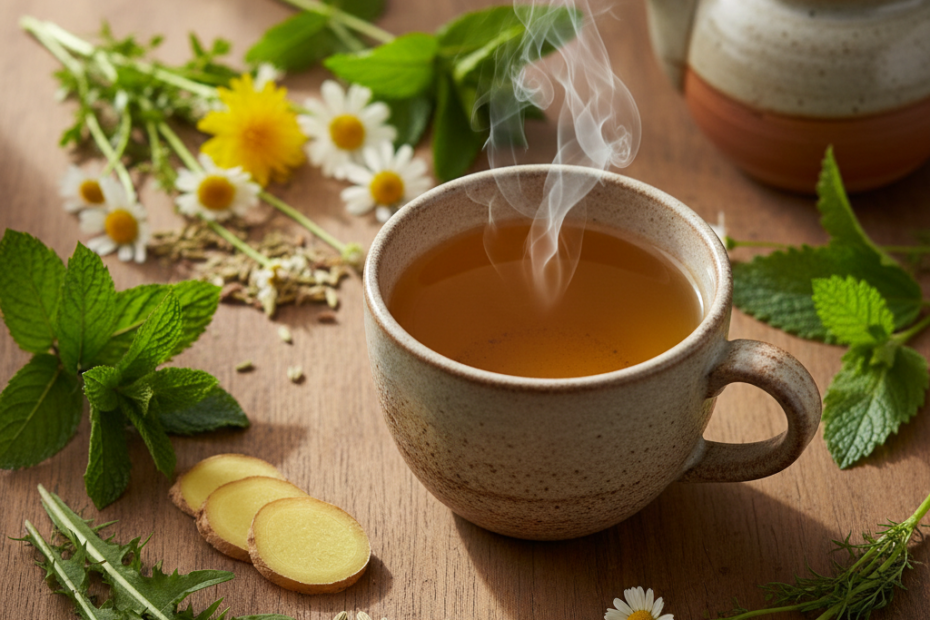
The Best Teas for Bloating and Digestive Comfort
We’ve all been there—that uncomfortable feeling of bloating that makes you want to loosen your waistband and curl up on the couch. Whether it’s after a heavy meal, during times of stress, or just a regular occurrence in your daily life, digestive discomfort can really put a damper on your day. The good news? Nature has provided us with some incredibly effective solutions in the form of herbal plants that have been soothing digestive troubles for thousands of years.
The connection between health and Nature becomes beautifully clear when we explore how simple teas can transform digestive discomfort into relief. These aren’t just old wives’ tales—modern science continues to validate what traditional healers have always known about the power of herbal teas for digestive wellness. Let’s explore the best teas that can help you find comfort and restore balance to your digestive system.
Key Points
-
Bloating is commonly caused by gas buildup, stress, food sensitivities, and slow digestion
-
Herbal teas offer a gentle, natural way to support digestive health
-
Peppermint tea helps relax digestive muscles and release trapped gas
-
Ginger tea speeds up digestion and reduces fullness after meals
-
Fennel tea prevents gas formation and eases abdominal cramping
-
Chamomile tea calms both the nervous system and the digestive tract
-
Dandelion root tea supports bile production and reduces water retention
-
Lemon balm tea is effective for stress-related bloating and digestive tension
Understanding Bloating and Digestive Health
Before we dive into specific teas, it’s helpful to understand what’s happening in your body when you experience bloating. Bloating occurs when your gastrointestinal tract becomes filled with air or gas, creating that tight, swollen feeling in your abdomen. Common causes include eating too quickly, consuming certain foods, stress, hormonal changes, or imbalances in your gut bacteria.
Your digestive health is connected to your well-being. When your digestion is off, it affects your energy levels, mood, sleep quality, and even your fitness performance. That’s why incorporating digestive-supportive practices into your nutrition and diet routine is so important. Herbal teas offer a gentle, natural approach that works with your body rather than against it.
1. Peppermint Tea: The Classic Digestive Soother
When it comes to bloating relief, peppermint tea stands as one of the most effective and scientifically supported options. This refreshing herbal plant contains menthol, a natural compound that relaxes the muscles in your digestive tract, allowing trapped gas to move through more easily.
Peppermint tea works particularly well for bloating caused by digestive spasms or irritable bowel syndrome. The menthol helps calm the smooth muscles in your intestines, reducing cramping and discomfort. Many people find that sipping a warm cup of peppermint tea after meals prevents bloating before it even starts.
The health and nature wisdom behind peppermint extends beyond just bloating relief. This powerful herb also helps reduce nausea, supports healthy bile flow for better fat digestion, and even freshens your breath naturally. For those focused on fitness, peppermint tea can be especially helpful after workouts when protein-rich meals might cause digestive sluggishness.
2. Ginger Tea: Nature’s Digestive Powerhouse

Ginger has earned its reputation as one of the most powerful herbal plants for digestive health. This warming root has been used in traditional medicine systems worldwide for centuries, and modern research confirms its remarkable benefits for bloating and overall digestive comfort.
The active compounds in ginger, particularly gingerols and shogaols, help speed up stomach emptying, which can significantly reduce bloating and that uncomfortable feeling of fullness. Ginger tea stimulates digestive enzymes and bile production, helping your body break down food more efficiently as part of a balanced Nutrition and diet approach.
What makes ginger especially valuable is its versatility in addressing multiple digestive issues simultaneously. Beyond bloating, it reduces nausea, fights inflammation in the digestive tract, and can even help with motion sickness. For those maintaining an active fitness routine, ginger tea can ease exercise-induced nausea and support post-workout recovery.
3. Fennel Tea: The Gentle Gas Reliever
Fennel seeds have been used as a digestive aid across cultures from India to Italy, and for good reason. This licorice-flavored herbal plant is remarkably effective at reducing bloating, gas, and abdominal cramping. Fennel works by relaxing the muscles in your intestinal tract while also having carminative properties—meaning it helps prevent gas formation and encourages trapped gas to exit.
What’s particularly appealing about fennel tea is its gentle nature. It’s safe enough for children and can even help nursing mothers with infant colic. The compounds in fennel, including anethole, help reduce inflammation and spasms in the digestive system, making it an excellent choice for ongoing digestive support.
4. Chamomile Tea: Stress Relief Meets Digestive Comfort

Chamomile is often thought of primarily as a relaxation herb, but its benefits for digestive health are equally impressive. Since stress and anxiety are major contributors to digestive issues and bloating, chamomile’s ability to calm both your mind and your gut makes it uniquely valuable.
This gentle herbal plant contains anti-inflammatory and antispasmodic compounds that soothe the lining of your digestive tract. Chamomile tea can help reduce bloating caused by inflammation, ease stomach cramps, and support overall gut health. The health and nature synergy here is beautiful—by calming your nervous system, chamomile indirectly improves digestion since stress hormones can significantly disrupt digestive function.
For those balancing fitness goals with digestive comfort, chamomile tea before bed can improve sleep quality while supporting overnight digestive repair. Better sleep means better recovery, better stress management, and ultimately better digestive health. Brew chamomile tea for 5 minutes in covered water to preserve its delicate essential oils, and enjoy it as an evening ritual that supports both mental and digestive wellness.
5. Dandelion Root Tea: The Digestive Detoxifier
Don’t dismiss dandelion as just a lawn weed—this powerful herbal plant is actually a remarkable digestive tonic. Dandelion root tea stimulates bile production, which is essential for breaking down fats and preventing the bloating that often follows fatty meals. It also acts as a gentle diuretic, helping reduce water retention that can contribute to that bloated feeling.
Dandelion root supports liver health, which is intimately connected to digestive function. A healthy liver produces the bile necessary for proper digestion and helps filter toxins that could otherwise disrupt your gut health. This makes dandelion tea an excellent addition to your nutrition and diet strategy, especially if you’re working on improving overall digestive function.
The slightly bitter taste of dandelion root tea might take some getting used to, but this bitterness is actually beneficial. Bitter compounds stimulate digestive secretions, preparing your body to process food more efficiently.
6. Lemon Balm Tea: The Overlooked Digestive Hero
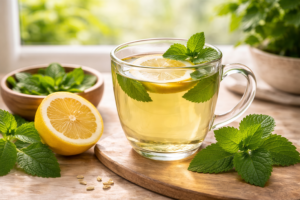
Lemon balm is a member of the mint family that deserves more attention for its digestive benefits. This citrus-scented herbal plant is particularly effective for bloating related to nervous tension or stress. Lemon balm contains compounds that relax smooth muscle tissue in the digestive tract while also calming anxiety—making it ideal for digestive issues with an emotional component.
Research shows that lemon balm can help reduce digestive spasms, ease gas and bloating, and improve overall gut comfort. It’s especially helpful for people who experience digestive upset during stressful periods or who notice their digestive symptoms worsen with anxiety. This herb beautifully demonstrates the health and nature principle that healing doesn’t have to be harsh—sometimes the gentlest remedies are the most effective. It is also helpful for Fat Loss.
Creating Your Personal Tea Ritual for Digestive Health
The beauty of using herbal teas for bloating and digestive comfort is that you can create a personalized ritual that fits your lifestyle and addresses your specific needs. Think of it as a form of preventive self-care that combines the wisdom of herbal Plants with mindful nutrition and diet practices.
Start by identifying patterns in your bloating. Does it happen after certain meals? During stressful times? At specific times of the month? This awareness helps you choose the right teas at the right times. For post-meal bloating, peppermint or fennel work wonders. For stress-related digestive issues, reach for chamomile or lemon balm. For sluggish digestion, ginger or dandelion root provide that needed boost.
Consider making tea time a true ritual rather than just another beverage break. Sit down, breathe deeply, and sip slowly. This mindfulness itself aids digestion by activating your parasympathetic nervous system—the “rest and digest” mode. The health and nature connection extends beyond just the herbs themselves to include how you consume them.
Enhancing Effectiveness Through Lifestyle
While these herbal teas are remarkably effective, they work best as part of a holistic approach to digestive health. Your nutrition and diet choices matter tremendously. Eating slowly, chewing thoroughly, staying hydrated, and including fiber-rich whole foods all support the work these teas are doing.
Physical activity and fitness also play crucial roles in digestive comfort. Regular movements and Micro-Workouts helps stimulate intestinal contractions that move gas through your system naturally. Even a gentle 15-minute walk after meals can significantly reduce bloating. Yoga poses that gently compress the abdomen can also help release trapped gas—pair these with your digestive tea for maximum benefit.
Pay attention to potential trigger foods in your diet. Common culprits include beans, cruciferous vegetables, dairy for those with lactose intolerance, and carbonated beverages. This doesn’t mean avoiding these foods entirely, but rather being strategic about when and how you consume them, and having your digestive tea remedies ready when needed.
Conclusion: Your Natural Path to Digestive Comfort
The remarkable thing about using herbal plants for digestive health is that you’re working with nature rather than against it. These teas don’t just mask symptoms—they support your body’s natural digestive processes, helping restore balance and comfort from the inside out.
Start experimenting with these teas to discover which ones work best for your unique digestive needs. Keep a variety on hand so you can match the right remedy to your specific situation. Remember that consistency matters—drinking digestive teas regularly as part of your nutrition and diet routine often provides better results than only reaching for them when problems arise.
Your journey to better digestive health through herbal teas is a perfect example of the health and nature wisdom that has sustained human wellness for millennia. By incorporating these natural remedies into your daily life, you’re not just addressing bloating—you’re honoring your body’s need for gentle, effective, plant-based support that promotes lasting wellness and comfort.