
Simple Nutrition Habits That Align With a Nature-Based Lifestyle
In a world dominated by fast food, packaged meals, and artificial ingredients, many people are turning back to nature for better health. A nature-based lifestyle is not about strict diets or extreme rules. Instead, it focuses on eating in a way that respects natural processes, seasonal foods, and the body’s real needs.
Adopting simple nutrition habits inspired by nature can support long-term physical health, mental clarity, and overall well-being. This article explores practical, easy-to-follow nutrition habits that align naturally with a nature-based lifestyle.
Know about mental well-being (Mental Resilience Through Nature: Emotional Balance Guide | My pacific times )
What Is a Nature-Based Nutrition Lifestyle?
A nature-based nutrition lifestyle emphasizes:
-
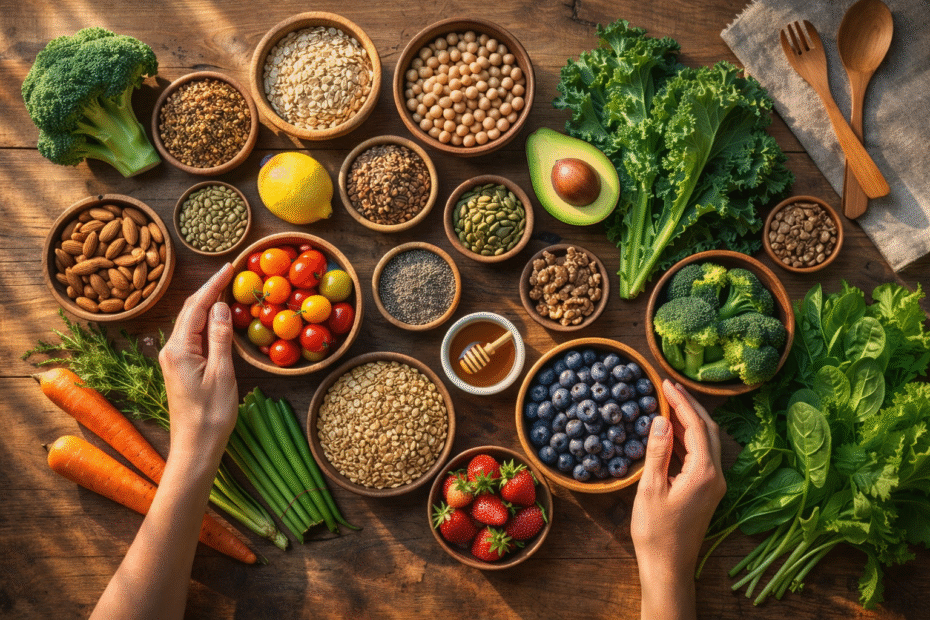
Whole, minimally processed foods
-
Plant-rich meals
-
Seasonal and local ingredients
-
Balanced, mindful eating
Rather than counting calories or following trends, it encourages eating foods closer to their natural state — the way humans have done for generations.
Why Nutrition and Nature Are Deeply Connected
Human bodies evolved alongside natural environments and natural foods. Highly processed diets can disconnect us from this balance, often leading to low energy, digestive discomfort, and mental fatigue.
Nature-aligned nutrition helps:
-
Support digestion
-
Maintain steady energy levels
-
Reduce inflammation
-
Promote emotional balance
Small, consistent changes can make a meaningful difference.
1. Choose Whole and Minimally Processed Foods
One of the simplest habits is prioritizing whole foods.
Examples include:
-
Fresh fruits and vegetables
-
Whole grains
-
Nuts and seeds
-
Legumes
Healthy Morning Diet’s : ( https://www.youtube.com/watch?v=TSXL4iPWLQA&pp=ygVFU2ltcGxlIE51dHJpdGlvbiBIYWJpdHMgZm9yIGEgTmF0dXJlLUJhc2VkIExpZmVzdHlsZSB8IE15UGFjaWZpY1RpbWVz )
These foods retain their natural nutrients, fiber, and protective compounds. Minimally processed foods support better digestion and help the body function more efficiently.
Tip:
If a food has a long ingredient list, it’s likely far from nature.
2. Eat More Plant-Based Foods Naturally
A nature-based lifestyle doesn’t require eliminating animal products entirely. However, it does emphasize plant-forward eating.
Benefits of plant-rich diets:
-
Better gut health
-
Improved heart health
-
Reduced environmental impact
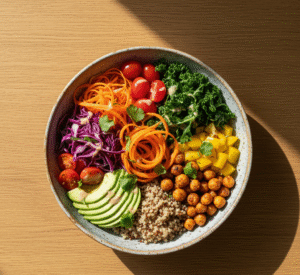
Try building meals around vegetables, beans, whole grains, and fruits, while using animal products in moderation.
3. Follow Seasonal Eating Patterns
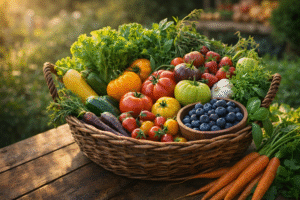
Nature provides different foods in different seasons for a reason. Seasonal foods are often:
-
Fresher
-
More nutrient-dense
-
Better tasting
Eating seasonally also helps the body adapt to environmental changes, such as lighter foods in summer and warming foods in winter.
Example:
-
Summer: fruits, salads, fresh vegetables
-
Winter: root vegetables, grains, soups
4. Practice Mindful Eating
Nature-based living values awareness and presence — and this applies to eating as well.
Mindful eating means:
-
Eating without distractions
-
Listening to hunger and fullness cues
-
Eating slowly and consciously
This habit supports better digestion and helps prevent overeating.
Can Healthy Diet Work as Fat Loss ( The First-Hour Fat Loss Formula: 7 Morning Rituals That Reprogram Your Metabolism )
5. Stay Hydrated With Natural Beverages
Water is essential to life and a key element of nature-aligned nutrition.
Healthy hydration habits include:
-
Drinking plain water regularly
-
Herbal teas
-
Infused water with fruits or herbs
Avoid relying heavily on sugary drinks or artificial beverages. Natural hydration supports energy, digestion, and mental focus.
6. Reduce Artificial Additives Gradually
A nature-based lifestyle encourages reducing:
-
Artificial sweeteners
-
Preservatives
-
Excess sugar
-
Refined oils
You don’t need to eliminate everything at once. Gradual changes are more sustainable and easier to maintain long term.
7. Support Your Gut With Natural Foods
Gut health plays an important role in your overall health and wellness.
Nature-friendly foods that support digestion include:
-
Fermented foods (yogurt, kefir, fermented vegetables)
-
Fiber-rich fruits and vegetables
-
Whole grains
A healthy gut contributes to improved immunity, mood balance, and nutrient absorption.
8. Balance Nutrition With Physical Activity
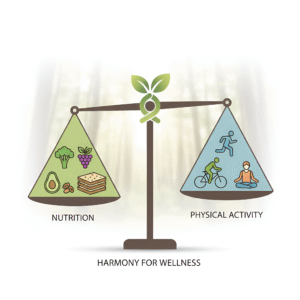
Nutrition and movement work best together. A nature-based lifestyle often includes:
-
Walking outdoors
-
Gardening
-
Gentle physical activity
Eating nourishing foods while staying physically active in natural environments supports both physical and mental health.
9. Eat With Respect for the Environment
Nature-based nutrition also considers sustainability.
Simple eco-conscious habits:
-
Reduce food waste
-
Choose locally grown foods
-
Use reusable containers
These choices benefit personal health while supporting environmental well-being.
10. Focus on Consistency, Not Perfection
The goal is not perfection but balance. Indulging from time to time is part of a healthy relationship with food.
Long-term wellness comes from:
-
Consistent healthy choices
-
Enjoyment of food
-
Flexibility
Nature teaches balance — and your nutrition should reflect that.
would nature work as powerful medicine ( Doctors Say Nature Is Powerful Medicine—but It’s Still Underused )
Final Thoughts
Simple nutrition habits inspired by nature can transform how you feel physically and mentally. By choosing whole foods, eating mindfully, and respecting seasonal patterns, you reconnect with a more natural and sustainable way of living.
A nature-based lifestyle is not a trend — it’s a return to balance. Small, intentional nutrition choices can lead to long-lasting health, greater energy, and a deeper connection with the natural world.