
Indoor Plants That Improve Air Quality and Mental Health
In today’s fast-paced, indoor-focused lifestyle, many people spend most of their time inside homes, offices, or apartments. While modern living offers comfort and does not support indoor plant activities, it often comes at the cost of poor air quality and increased mental stress. One simple, natural, and scientifically supported solution is indoor plants. Beyond their beauty, indoor plants can improve air quality and support mental health, making them a powerful addition to any living space.
This article explores how indoor plants benefit both the body and mind and highlights the best indoor plants that can help you breathe better and feel calmer.
Why Indoor Air Quality Matters
Indoor air can sometimes be more polluted than outdoor air due to dust, chemicals, synthetic materials, and poor ventilation. Common indoor pollutants include:
-
-
- Carbon dioxide
- Volatile organic compounds (VOCs)
- Dust and allergens
-
Long-term exposure to poor indoor air quality may contribute to headaches, fatigue, breathing discomfort, and reduced concentration. This is where indoor plants can play a valuable role.
How Indoor Plants Improve Air Quality
Indoor plants help purify air in several natural ways:
1. Absorbing Harmful Toxins
Plants absorb toxins from the air through their leaves and roots. Microorganisms in the soil also help break down pollutants, making the surrounding air cleaner.
2. Increasing Oxygen Levels
Through photosynthesis, plants absorb carbon dioxide and release oxygen, which helps refresh indoor air and support better breathing.
(Studies says ; outdoor wellness practices)
Doctors Say Nature Is Powerful Medicine—but It’s Still Underused
3. Improving Humidity
Plants release moisture into the air, helping maintain balanced humidity levels. This can reduce dry skin, irritated eyes, and throat discomfort.
The Mental Health Benefits of Indoor Plants
The benefits of houseplants go beyond just your physical health. Research suggests that exposure to greenery can positively influence emotional well-being.
• Reduced Stress and Anxiety
Being around plants has been shown to lower stress hormones and promote relaxation. Even small indoor plants can create a calming atmosphere.
• Improved Focus and Productivity
Green environments support better concentration and mental clarity, making indoor plants especially useful in workspaces or study areas.
• Enhanced Mood
Plants add life and color to indoor spaces, which can uplift mood and reduce feelings of isolation or emotional fatigue.
Best Indoor Plants for Air Quality and Mental Health
Below are some of the best indoor plants that are easy to care for and known for their health benefits.
1. Snake Plant (Sansevieria)

Why it’s great:
-
-
- Absorbs toxins
- Releases oxygen at night
- Very low maintenance
-
Mental health benefit:
Creates a clean, minimal environment that supports mental clarity and calmness.
Best place: Bedroom or living room
2. Peace Lily

Why it’s great:
-
-
- Helps reduce indoor pollutants
- Improves humidity
-
Mental health benefit:
Its soft white flowers and green leaves promote relaxation and emotional balance.
Best place: Living room or office
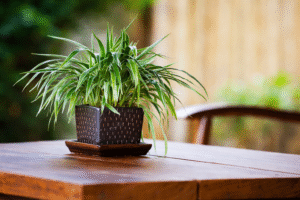
3. Spider Plant
Why it’s great:
-
-
- Excellent air purifier
- Safe and beginner-friendly
-
Mental health benefit:
Easy care reduces stress, especially for first-time plant owners.
Best place: Shelves or hanging baskets
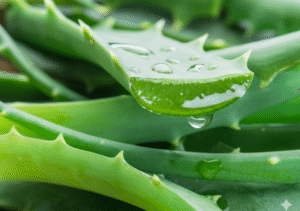
4. Aloe Vera
Why it’s great:
-
-
- Improves air quality
- Requires minimal watering
-
Mental health benefit:
Supports a sense of well-being and self-care through its natural presence.
Best place: Kitchen or sunny window
5. Pothos (Devil’s Ivy)

Why it’s great:
-
-
- Removes indoor toxins
- Thrives in low light
-
Mental health benefit:
Flowing vines create a soothing, natural visual effect that promotes relaxation.
Best place: Bedrooms, offices, or bathrooms
6. Areca Palm

Why it’s great:
-
-
- Improves air moisture
- Enhances oxygen circulation
-
Mental health benefit:
Creates a peaceful, nature-inspired atmosphere that reduces emotional stress.
Best place: Living rooms or open spaces
How Many Indoor Plants Do You Need?
You don’t have to turn your home into a jungle. Even 2–5 indoor plants can make a noticeable difference in air quality and mood. The key is consistency and proper placement.
Tips for Using Indoor Plants Effectively
-
- Place plants near windows for natural light
- Keep leaves clean to support air purification
- Choose plants based on your light and space conditions
- Avoid overcrowding small rooms
Indoor Plants and a Healthier Lifestyle
Incorporating indoor plants into your daily environment is a simple way to reconnect with nature, especially for those living in urban areas. This natural connection supports both physical comfort and emotional stability.
Indoor plants act as a reminder to slow down, breathe deeply, and appreciate the small elements of nature — all of which are essential for long-term mental wellness.
Final Thoughts
Indoor plants offer more than decorative value. They are natural allies for better air quality and improved mental health. Whether you choose a snake plant, peace lily, or pothos, each plant contributes to a healthier and more calming indoor environment.
By adding greenery to your home or workspace, you create a space that supports relaxation, focus, and overall well-being — naturally and sustainably.