
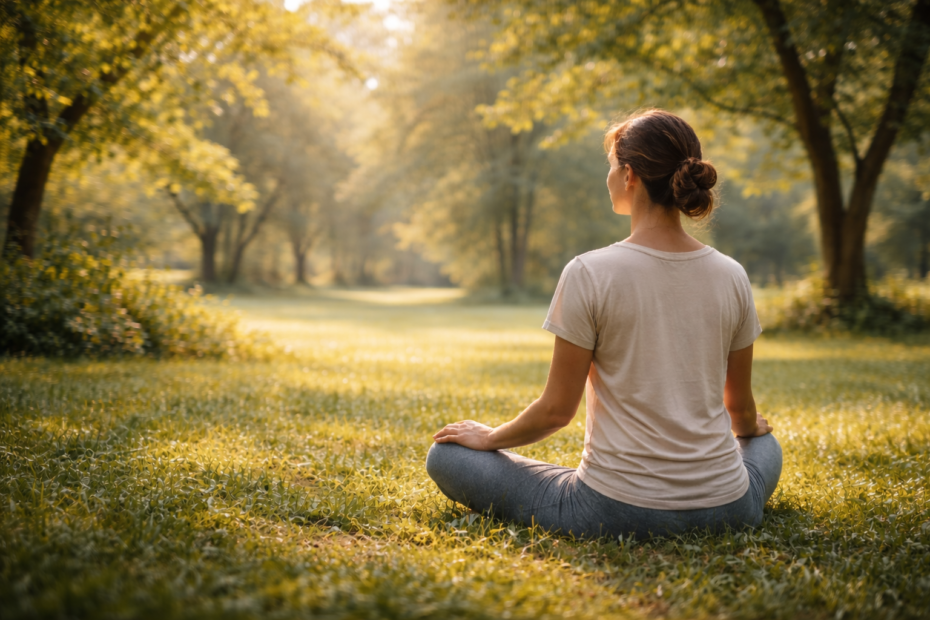
How Spending 20 Minutes in Nature Daily Resets Your Nervous System
Key Points
-
-
Spending just 20 minutes in nature can significantly lower stress hormones.
-
Nature exposure activates the parasympathetic nervous system, helping your body relax and heal.
-
Regular time outdoors improves mental clarity, mood, sleep, and emotional balance naturally.
-
In today’s fast-paced world, stress is a constant. Notifications, screens, deadlines, and responsibilities keep the nervous system in a continuous state of alert. Over time, this chronic stress can disrupt sleep, digestion, mood, and overall health.
Surprisingly, one of the most powerful tools to restore balance doesn’t come from medication or complicated routines—it comes from nature. Research shows that spending just 20 minutes in nature each day can calm the nervous system, lower stress hormones, and improve mental wellbeing naturally.
This simple habit reconnects the body with its natural rhythm and offers a gentle reset for both mind and body.
Understanding the Nervous System
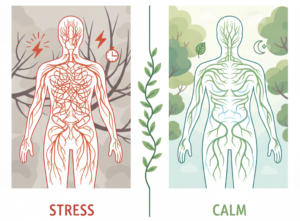
Your nervous system has two main modes:
-
Sympathetic nervous system – “fight or flight”
-
Parasympathetic nervous system – “rest and digest”
Modern lifestyles keep the sympathetic system overactive. When this happens, the body remains tense, alert, and exhausted. Nature exposure helps shift the body back into the parasympathetic state—where healing, relaxation, and emotional regulation occur.
How Nature Calms the Nervous System
1. Lowers Cortisol Levels
Cortisol is the primary stress hormone. Studies have shown that spending time in green spaces significantly reduces cortisol levels within 20 minutes. As cortisol drops, heart rate slows, muscles relax, and mental clarity improves.
2. Activates the Parasympathetic Response
Natural environments signal safety to the brain. Sounds like rustling leaves, birdsong, and flowing water help activate the parasympathetic nervous system, encouraging calmness and balance .
3. Improves Brain Function and Focus
Nature reduces mental fatigue. Even brief exposure improves attention, memory, and creativity. This explains why people often feel refreshed and clear-headed after spending time outdoors.
The Science Behind the “20-Minute Rule”
Researchers studying nature therapy found that 20 minutes of intentional nature exposure—without distractions—produced measurable stress reduction. Longer durations provide added benefits, but 20 minutes is enough to trigger a physiological reset.
This practice is sometimes referred to as forest bathing, a wellness approach rooted in Japanese tradition that emphasizes being present in natural surroundings.
Mental Health Benefits of Daily Nature Time
Spending time outdoors doesn’t just calm the body—it supports emotional wellbeing too.
-
Reduces anxiety and depression symptoms
-
Improves mood and emotional regulation
-
Enhances sleep quality
-
Supports resilience during stressful periods
Nature gently grounds the mind, pulling attention away from worries and back into the present moment.
How to Spend 20 Minutes in Nature Effectively
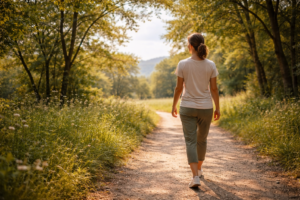
You don’t need a forest or mountain to experience benefits. The key is presence, not location.
Simple Ways to Practice:
-
Sit in a park or garden
-
Walk slowly without headphones
-
Observe trees, sky, or water
-
Breathe deeply and naturally
-
Leave your phone behind if possible
Even a balcony, backyard, or tree-lined street can be effective when approached mindfully.
Nature as Preventive Health Care
Regular nature exposure supports long-term health by:
-
Regulating blood pressure
-
Supporting immune function
-
Improving digestion
-
Reducing chronic inflammation
This makes it a powerful natural remedy for modern stress-related conditions.
Making Nature a Daily Habit
Consistency matters more than duration. Choose a time that fits your routine—morning sunlight, lunch breaks, or evening walks. Treat this time as essential self-care rather than an optional activity.
Think of it as mental hygiene, just like brushing your teeth for physical health.
Conclusion: A Simple Reset for a Stressed World
Spending 20 minutes in nature daily is one of the most accessible and effective ways to reset your nervous system. It requires no equipment, no cost, and no special skills—just a willingness to slow down and reconnect.
In a world that constantly demands attention, nature offers something rare: calm, clarity, and balance. By making nature a daily habit, you give your nervous system the space it needs to heal, recharge, and thrive naturally.
FAQ SECTION
How long should I spend in nature each day?
Research suggests 20 minutes is enough to reduce stress, though longer exposure offers added benefits.
Does urban nature count?
Yes. Parks, gardens, and tree-lined streets can still calm the nervous system when experienced mindfully.
Can nature reduce anxiety naturally?
Yes. Nature exposure lowers stress hormones and activates the calming parasympathetic nervous system.
Is nature therapy backed by science?
Multiple studies support the mental and physical health benefits of regular nature exposure.