
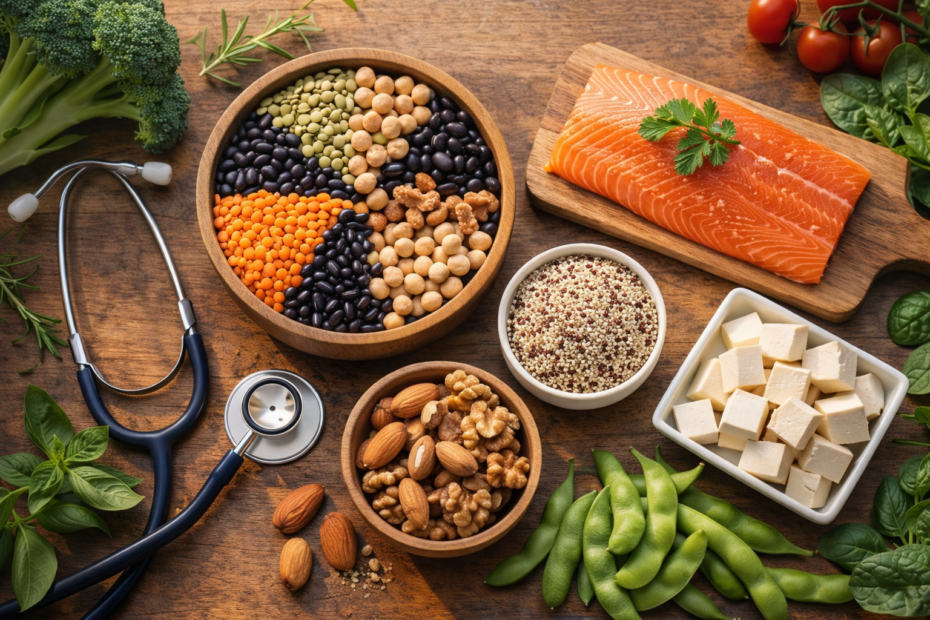
The Best Proteins to Help Lower High Cholesterol Naturally
When your doctor mentions high cholesterol, it can feel overwhelming. But here’s the good news: the protein choices you make every day can be powerful tools in managing your cholesterol levels naturally. Understanding which proteins support heart health isn’t just about Nutrition and diet—it’s about making informed choices that align with both your fitness goals and your long-term wellness.
Cholesterol management doesn’t mean sacrificing the protein your body needs for muscle maintenance, energy, and overall health. In fact, choosing the right protein sources can actively help lower your LDL (the “bad” cholesterol) while supporting your HDL (the “good” cholesterol). Let’s explore the best proteins that science shows can help you achieve healthier cholesterol levels while nourishing your body.
Understanding the Protein-Cholesterol Connection
Before diving into specific protein sources, it’s helpful to understand how different proteins affect your cholesterol. Not all proteins are created equal when it comes to heart health. Animal proteins, particularly red meat and full-fat dairy, often come packaged with saturated fats that can raise LDL cholesterol. Meanwhile, many plant-based proteins and lean sources contain compounds that actively help lower cholesterol.
The relationship between health and nature becomes clear when we look at how whole, plant-based proteins support cardiovascular wellness. These proteins often contain fiber, plant sterols, and healthy fats that work together to reduce cholesterol absorption and promote heart health. This synergy is something you simply can’t replicate with isolated protein powders or processed foods.
Legumes: The Cholesterol-Lowering Powerhouses
When it comes to combining excellent protein with cholesterol-lowering benefits, legumes stand in a category of their own. Beans, lentils, chickpeas, and peas provide substantial protein while delivering soluble fiber that literally binds to cholesterol in your digestive system and removes it from your body.
Studies consistently show that eating just one serving of legumes daily can reduce LDL cholesterol significantly. A cup of cooked lentils provides about 18 grams of protein along with 16 grams of fiber—a combination that’s nearly impossible to beat for heart health . The beauty of legumes in your nutrition and diet plan is their versatility. Add black beans to salads, make chickpea curry, enjoy lentil soup, or snack on roasted chickpeas.
For those focused on fitness and muscle building, don’t worry that plant proteins like legumes are somehow inferior. When eaten as part of a varied diet, legumes provide all the amino acids your body needs for muscle repair and growth. Plus, their slow-digesting carbohydrates provide sustained energy for workouts without the cholesterol burden of some animal proteins.
Fatty Fish: Omega-3 Rich Protein Champions
While we’re emphasizing plant-based options, certain animal proteins deserve recognition for their cholesterol-lowering properties. Fatty fish like salmon, mackerel, sardines, and trout provide high-quality protein alongside omega-3 fatty acids that actively reduce triglycerides and support healthy cholesterol levels.
The omega-3s in fatty fish don’t just avoid raising your cholesterol—they actively improve your lipid profile. These healthy fats reduce inflammation throughout your cardiovascular system, making them particularly valuable for anyone managing heart health. Aim for two servings of fatty fish weekly as part of your nutrition and diet strategy.
When selecting fish, wild-caught options generally provide higher omega-3 content and fewer contaminants. Smaller fish like sardines and mackerel also tend to accumulate fewer environmental toxins while still delivering exceptional nutritional benefits. This health and nature consideration matters for both your wellbeing and environmental sustainability.
Nuts and Seeds: Small but Mighty Protein Sources
Don’t underestimate the cholesterol-lowering power of nuts and seeds. Almonds, walnuts, chia seeds, flax seeds, and hemp seeds all provide protein along with heart-healthy fats, fiber, and plant sterols that reduce cholesterol absorption.
Walnuts are particularly impressive, with studies showing they improve overall cholesterol profiles while providing omega-3 fatty acids (ALA) that support cardiovascular health. The protein in nuts also helps with satiety, making them excellent for weight management—another important factor in cholesterol control.
For fitness enthusiasts, nuts and seeds make perfect pre or post- workouts snacks. They provide protein for muscle recovery, healthy fats for hormone production, and minerals like magnesium that support muscle function. Sprinkle chia or hemp seeds on yogurt, add walnuts to salads, or enjoy almond butter on whole grain toast for easy incorporation into your daily routine.
Soy Protein: The Plant-Based Cholesterol Fighter
Tofu, tempeh, edamame, and other soy foods have earned their reputation as cholesterol-lowering proteins. Soy protein contains compounds called isoflavones that help reduce LDL cholesterol while maintaining or even improving HDL levels. Even modest soy consumption—about 25 grams of soy protein daily—can lower cholesterol by 5-6%.
What makes soy particularly valuable in nutrition and diet planning is its versatility and completeness as a protein source. Unlike most plant proteins, soy provides all essential amino acids in optimal ratios, making it excellent for muscle maintenance and fitness goals. Tofu absorbs flavors beautifully, tempeh offers a nutty taste and firm texture, and edamame makes a perfect high-protein snack.
For those hesitant about soy due to conflicting information, current research strongly supports its safety and benefits for most people. The health and nature wisdom here is choosing whole soy foods over highly processed soy protein isolates whenever possible. Whole foods provide the full spectrum of beneficial compounds that work together for optimal health effects.
Quinoa and Other Whole Grains: Complete Plant Proteins
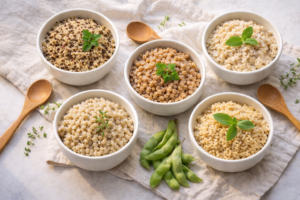
While often categorized as grains, quinoa is technically a seed that provides complete protein along with cholesterol-lowering fiber. One cup of cooked quinoa offers 8 grams of protein and 5 grams of fiber, plus it contains heart-healthy compounds that reduce inflammation and oxidative stress.
Other whole grains like oats, barley, and farro also contribute protein while providing beta-glucan, a type of soluble fiber particularly effective at lowering cholesterol. Starting your day with oatmeal provides both protein and this cholesterol-fighting fiber, setting a heart-healthy tone for your entire day.
The combination of protein and complex carbohydrates in whole grains makes them ideal for active individuals. They fuel your fitness activities while supporting cardiovascular health—a win-win for anyone balancing exercise performance with heart disease prevention.
Lean Poultry: When You Want Animal Protein
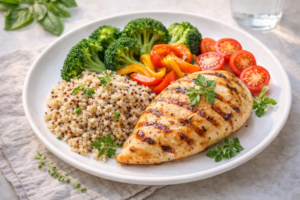
If you prefer animal proteins, skinless chicken and turkey breast offer high-quality protein without the saturated fat load of red meat. While they won’t actively lower cholesterol like plant proteins, they won’t raise it significantly either, making them reasonable choices within a heart-healthy nutrition and diet framework.
The key is preparation method. Grilling, baking, or poaching keeps these proteins lean, while frying or adding creamy sauces negates their benefits. Pair lean poultry with plenty of vegetables and whole grains to create balance meals that support both your fitness goals and cardiovascular health.
Creating Your Cholesterol-Lowering Protein Plan
The most effective approach combines various protein sources throughout your week. This diversity ensures you’re getting different beneficial compounds while preventing dietary boredom. A sample week might include:
- Monday: Lentil soup with whole grain bread
- Tuesday: Grilled salmon with quinoa and vegetables
- Wednesday: Tofu stir-fry with brown rice
- Thursday: Chickpea salad with walnuts
- Friday: Baked chicken breast with barley and greens
- Weekend: Bean-based tacos, edamame snacks
This variety supports your protein needs for fitness and daily function while providing multiple cholesterol-lowering mechanisms. The soluble fiber from legumes and whole grains binds cholesterol, the omega-3s from fish and walnuts improve lipid profiles, and the plant sterols from various sources block cholesterol absorption.
Lifestyle Factors That Enhance Protein Benefits
Your protein choices work best within a holistic health and nature approach. Regular physical activity, particularly cardiovascular exercise, raises HDL cholesterol while lowering LDL. The American Heart Association recommends 150 minutes of moderate-intensity aerobic activity weekly.
Fitness routines don’t need to be extreme. Walking, cycling, swimming, or dancing all count. The key is consistency and finding activities you enjoy enough to maintain long-term. When you pair smart protein choices with regular movement, you create synergistic effects that amplify cholesterol improvements.
Stress management also matters for cholesterol levels. Chronic stress raises cortisol, which can increase cholesterol production. Combining cholesterol-lowering nutrition and diet strategies with stress-reduction practices like yoga, meditation, or time in nature creates comprehensive cardiovascular protection.
Practical Tips for Implementation
Start by gradually increasing plant-based proteins rather than feeling you must eliminate all animal products overnight. Add one meatless meal weekly, then build from there. Experiment with new recipes that make plant proteins appealing—a well-seasoned bean burger or flavorful lentil curry can satisfy even committed meat-eaters.
Read labels carefully on packaged foods. Many processed foods marketed as healthy protein sources contain added saturated fats, sodium, or sugars that undermine cardiovascular benefits. Whole foods remain your best choice for both nutrition quality and cholesterol management.
Consider meal prepping to make heart-healthy protein choices convenient. Cook large batches of beans or lentils on weekends, portion them into containers, and you’ll have quick, cholesterol-friendly protein ready all week. This preparation removes the excuse of convenience when making protein choices.
Conclusion: Your Protein Path to Lower Cholesterol
Managing high cholesterol doesn’t mean protein restriction—it means protein selection. By emphasizing legumes, fatty fish, nuts, soy foods, and whole grains while limiting red meat and full-fat dairy, you provide your body with the protein it needs while actively supporting healthy cholesterol levels.
Remember that sustainable change happens gradually. Each cholesterol-friendly protein choice you make is an investment in your cardiovascular health. Combined with regular fitness activity and overall healthy lifestyle practices, these protein strategies can significantly improve your cholesterol profile naturally.
Your journey to better heart health through smart protein choices starts with your very next meal. What will you choose?