
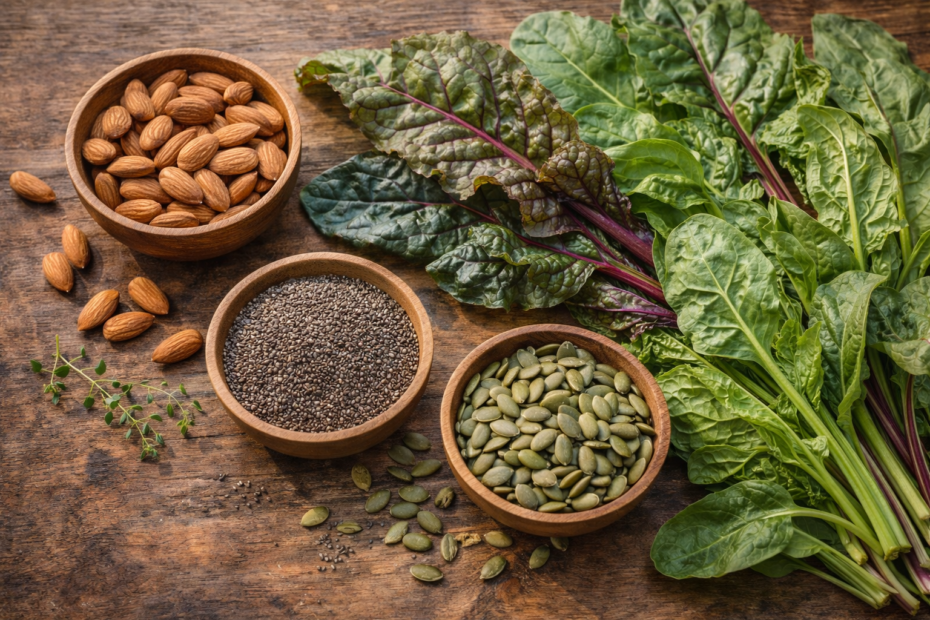
Seven Nutrient-Dense Foods You Should Eat More Often for Better Health
-
Nutrient-dense foods deliver maximum health benefits with fewer calories, supporting heart health, digestion, brain function, and immunity.
-
Leafy greens, nuts, and seeds are rich in essential vitamins, minerals, antioxidants, and healthy fats that help reduce inflammation naturally.
-
Regularly including whole, plant-based foods can improve long-term wellness without relying on supplements or restrictive diets.
With supermarket shelves overflowing with choices, it’s easy to feel confused about what to eat for optimal health. One day protein is trending, the next it’s fibre or antioxidants. But instead of chasing nutrition trends, experts suggest focusing on nutrient density—foods that deliver the most health benefits per calorie.
Nutrition researchers have examined hundreds of whole foods to determine which provide a strong balance of essential nutrients that support long-term wellbeing. The result? A short list of everyday foods that quietly deliver powerful health benefits when eaten regularly.
Here are seven science-supported foods worth adding more of to your daily diet—and why they deserve a place on your plate.
1. Almonds: Small Nut, Big Heart Benefits
Almonds are rich in healthy fats, vitamin E, fibre, and plant protein. Regular almond consumption has been linked to improved heart health, better cholesterol balance, and reduced inflammation.
Research shows that almonds can help lower LDL (“bad”) cholesterol and increase HDL (“good”) cholesterol. They also support gut health by promoting beneficial bacteria that produce compounds essential for colon health.
Adding a handful of almonds to your daily routine—whether as a snack or part of meals—can support cardiovascular health and digestive balance naturally.
2. Swiss Chard: A Leafy Green for Circulation and Brain Health
Swiss chard is a nutrient-dense leafy vegetable packed with magnesium, potassium, vitamin K, and powerful antioxidants. It also contains natural nitrates that help the body produce nitric oxide, a compound that supports healthy blood flow and blood pressure regulation.
Beyond heart health, Swiss chard contains plant compounds that may protect nerve cells and support cognitive function as we age. Light cooking methods, such as steaming or sautéing, help preserve its nutritional value.
3. Watercress: A Powerful Green with Mood-Boosting Potential
Often overlooked, watercress is one of the most nutritious leafy vegetables available. It provides high levels of vitamins A, C, E, and B-complex vitamins, along with minerals like calcium and iron.
Watercress also contains natural compounds associated with reduced inflammation and immune support. Its antioxidant profile has attracted attention for potential protective effects against chronic diseases.
Including watercress in salads, soups, or smoothies is an easy way to elevate your nutrient intake.
4. Beetroot Greens: The Forgotten Superfood
While beetroot itself is popular, its leafy greens are frequently discarded—despite being rich in iron, calcium, vitamin K, and antioxidant compounds.
Research suggests beet greens may support heart health, reduce oxidative stress, and contribute to better cholesterol balance. They also contain plant proteins and minerals that support overall metabolic health.
Beet greens can be prepared like spinach—sautéed lightly, added to soups, or blended into smoothies.
5. Chia Seeds: Fibre and Omega-3 in One Spoon
Chia seeds are tiny but nutritionally powerful. It is rich in dietary fiber, omega-3 fatty acids, vegetable protein, and antioxidants.
However, research shows that ground chia seeds are more beneficial than whole ones, as grinding helps release their nutrients for better absorption. When consumed regularly, chia seeds may support heart health, blood sugar control, and digestive function.
Sprinkle ground chia seeds into yoghurt, oatmeal, or smoothies for maximum benefit.
6. Pumpkin Seeds: Brain-Supporting Healthy Fats
Pumpkin seeds contain a valuable mix of healthy fats, magnesium, zinc, and antioxidants. These nutrients support heart health, brain function, and nervous system balance.
Some studies suggest pumpkin seeds may help reduce anxiety and support cognitive health due to their fatty acid and antioxidant profile. Light roasting may increase nutrient availability while enhancing flavor.
They make an excellent snack or salad topping.
7. Dandelion Greens: A Wild Plant with Powerful Benefits
Often considered a weed, dandelion greens are surprisingly rich in vitamins A, C, K, and minerals like iron and magnesium. They also contain anti-inflammatory plant compounds that support liver and digestive health.
Dandelion greens have been traditionally used across cultures in salads, teas, and cooked dishes. Their slightly bitter taste helps stimulate digestion and nutrient absorption.
Why Nutrient Density Matters
Eating nutrient-dense foods helps:
-
Reduce inflammation
-
Support heart and brain health
-
Improve digestion
-
Strengthen immunity
-
Promote long-term wellness
Rather than focusing on restriction, prioritizing nutrient-rich whole foods allows the body to function at its best naturally.
Final Thoughts
Good nutrition doesn’t require expensive supplements or extreme diets. Often, the most powerful health tools are simple foods hiding in plain sight. By regularly including nutrient-dense options like leafy greens, seeds, and nuts, you can support your body’s natural healing and resilience.
Small dietary changes, made consistently, can lead to meaningful improvements in energy, digestion, and overall health.
FAQ SECTION
What are nutrient-dense foods?
Nutrient-dense foods provide a high amount of vitamins, minerals, antioxidants, and healthy fats compared to their calorie content. Examples include leafy greens, nuts, seeds, and whole plant foods.
Why are leafy greens important for health?
Leafy greens support heart health, improve blood circulation, strengthen bones, and provide antioxidants that help protect cells from damage.
Are nuts and seeds healthy to eat daily?
Yes, when eaten in moderation. Nuts and seeds like almonds, chia seeds, and pumpkin seeds provide healthy fats, protein, and fiber that support heart and brain health.
Can nutrient-dense foods help prevent chronic diseases?
Research suggests that diets rich in nutrient-dense foods may lower the risk of heart disease, diabetes, inflammation, and digestive issues.
Is a plant-based diet necessary to eat nutrient-dense foods?
No. While many nutrient-dense foods are plant-based, you can include them in any balanced diet focused on whole, natural foods.