

Stroke During Pregnancy Linked to Long-Term Heart and Cardiovascular Risks
Pregnancy is often described as a time of hope and new beginnings, but it also places unique demands on a woman’s body—especially the heart and blood vessels. Recent medical research has revealed a concerning connection: women who experience a stroke during pregnancy face a significantly higher risk of long-term heart and cardiovascular problems later in life.
While pregnancy-related strokes are rare, their consequences can extend far beyond childbirth. The good news is that Nature -based prevention strategies, lifestyle changes, and natural remedies may play a meaningful role in reducing risks and supporting long-term heart health.
This article explores the link between stroke during pregnancy and future heart disease—and how natural approaches can help protect women’s cardiovascular well-being.
Understanding Stroke During Pregnancy
A stroke occurs when blood flow to the brain is interrupted, either due to a blockage (ischemic stroke) or bleeding (hemorrhagic stroke). During pregnancy and the postpartum period, a woman’s body undergoes major physiological changes, including:
-
Increased blood volume
-
Hormonal shifts
-
Higher clotting tendency
-
Elevated blood pressure in some pregnancies
These changes can increase the risk of stroke, particularly in women with conditions such as preeclampsia, gestational hypertension, diabetes, or autoimmune disorders.
Although pregnancy-related strokes affect only a small percentage of women, studies now show that their impact may last decades, increasing the likelihood of future cardiovascular disease.
Long-Term Heart Risks After Pregnancy-Related Stroke
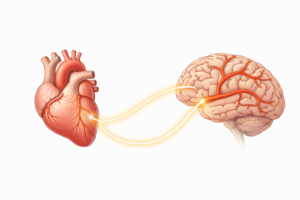
Medical experts have found that women who suffer a stroke during pregnancy are more likely to develop:
-
Heart disease
-
Chronic high blood pressure
-
Future strokes
-
Blood vessel damage
-
Reduced heart function
Pregnancy acts as a “stress test” for the heart. If complications such as stroke occur, it may reveal underlying vulnerabilities in the cardiovascular system that persist long after delivery.
This makes early prevention and long-term care essential, especially through safe, sustainable, and natural methods that support heart health over time.
Why Nature-Based Prevention Matters
While medical monitoring and follow-ups are crucial, many women are also turning toward natural remedies and Lifestyle strategies to lower cardiovascular risk. Nature offers powerful tools that support heart health gently and holistically—without relying solely on medication.
A heart-friendly lifestyle rooted in nutrition, movement, stress reduction, and plant-based remedies can significantly improve long-term outcomes.
Natural Ways to Reduce Stroke and Heart Risk
1. Heart-Healthy Nutrition from Nature
A natural, balanced diet plays a foundational role in cardiovascular health.
Key foods to include:
-
Leafy greens (spinach, kale) for blood vessel health
-
Fatty fish or plant-based omega-3s (flaxseeds, walnuts)
-
Whole grains for blood pressure regulation
-
Fresh fruits rich in antioxidants (berries, citrus)
Reducing ultra-processed foods, excess salt, and refined sugar can lower inflammation and support healthier blood flow.
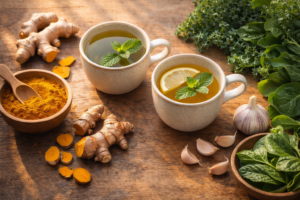
2. Herbal Support for Heart and Circulation
Certain herbs have long been valued in traditional medicine for cardiovascular support:
-
Hawthorn: Supports heart muscle function and circulation
-
Garlic: Helps regulate blood pressure and cholesterol
-
Turmeric: Reduces inflammation and supports vascular health
-
Ginger: Improves blood flow and reduces clotting tendency
These herbs can be used in food, teas, or supplements (under professional guidance).
3. Gentle Physical Activity for Long-Term Protection
Movement is one of the most effective natural remedies for heart Health.
Recommended activities include:
-
Walking
-
Prenatal or postnatal yoga
-
Swimming
-
Light strength exercises
Regular physical activity improves circulation, stabilizes blood pressure, and strengthens the heart—especially important for women recovering after pregnancy complications.
4. Stress Reduction and Nervous System Balance
Chronic stress negatively affects heart health by increasing inflammation and blood pressure. Women who experienced pregnancy-related stroke often face emotional stress or anxiety afterward.
Natural stress-relief methods include:
-
Deep breathing exercises
-
Meditation or mindfulness
-
Nature walks
-
Herbal Teas like chamomile or lemon balm
Supporting the nervous system helps the body shift into a “rest and repair” state, which benefits cardiovascular recovery.
5. Weight and Metabolic Balance
Maintaining a healthy weight through natural means reduces strain on the heart.
Focus on:
-
Portion awareness
-
Whole foods
-
Stable blood sugar levels
-
Adequate sleep
These habits lower the risk of future heart disease and support overall Metabolic health.
The Importance of Long-Term Monitoring
Natural remedies are powerful, but they work best alongside medical care, not as replacements. Women who experience stroke during pregnancy should have long-term cardiovascular monitoring, including:
-
Blood pressure checks
-
Cholesterol screening
-
Blood sugar monitoring
-
Heart health assessments
Combining medical guidance with natural lifestyle strategies creates a balanced, effective prevention plan.
Empowering Women Through Awareness
One of the biggest challenges is awareness. Many women are unaware that pregnancy complications can predict future heart disease. Educating women about this connection empowers them to take early action.
Heart health should not be an afterthought once pregnancy ends—it should become a lifelong priority, especially for those with a history of pregnancy-related stroke.
Conclusion: Healing Through Nature and Prevention
The link between stroke during pregnancy and long-term heart problems highlights the need for early prevention, education, and holistic care. While medical follow-up is essential, nature-based solutions offer powerful, accessible tools to support cardiovascular health and Mental Resilience naturally.
Through mindful nutrition, gentle movement, herbal support, and stress management, women can significantly reduce their long-term risks and reclaim confidence in their health journey.
Nature does not replace medicine—but when combined thoughtfully, it becomes one of the strongest allies for lifelong heart wellness.