

Mixed Dementia Explained: Causes, Symptoms, and What You Should Know
Dementia is often spoken about as a single condition, but in reality, it can appear in several different forms. One type that is increasingly being recognized by health professionals is mixed dementia. As awareness grows, experts now estimate that around one in ten people diagnosed with dementia may be affected by mixed dementia, making it more common than many people realize. it is not good for mental health, however Mental Resilience can achieve through nature.
Understanding mixed dementia is important not only for patients, but also for families and caregivers who want to provide the best possible support. This article explains what mixed dementia is, how it develops, its symptoms, and why early awareness matters.
What Is Mixed Dementia?
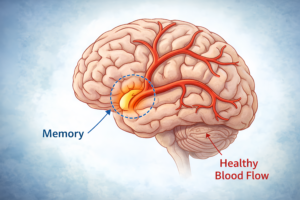
Mixed dementia occurs when more than one type of dementia-related brain disease is present at the same time. The most common combination is Alzheimer’s disease and vascular dementia, but other forms can also occur.
Each type of dementia affects the brain differently. When they overlap, symptoms can become more complex and harder to recognize. Because of this, mixed dementia is sometimes underdiagnosed or mistaken for a single dementia type.
Experts emphasize that mixed dementia is not a separate disease, but rather a condition where multiple brain changes coexist and interact.
Why Mixed Dementia Is More Common Than You Think
Recent research suggests that mixed dementia may be far more common than previously believed. Many diagnoses are only confirmed after brain imaging or, in some cases, post-mortem examinations.
Several factors contribute to its growing prevalence:
- People are living longer, increasing the risk of multiple brain conditions
- Heart and blood vessel health plays a major role in brain function
- Lifestyle factors such as diet, stress, and physical inactivity can influence risk
As medical understanding improves, psychologists and neurologists are now paying closer attention to overlapping symptoms rather than viewing dementia as a single-condition diagnosis.
Common Causes of Mixed Dementia
Mixed dementia usually develops due to a combination of neurological and vascular factors. Some of the most common contributors include:
- Alzheimer’s disease–related protein buildup
- Reduced blood flow to the brain (vascular damage)
- High blood pressure
- Diabetes
- Smoking
- High cholesterol
- Previous strokes or mini-strokes
When these factors affect the brain simultaneously, they can accelerate cognitive decline and make symptoms more severe.
Symptoms of Mixed Dementia

Symptoms of mixed dementia can vary widely depending on which conditions are involved and how advanced they are. This variability often makes diagnosis more challenging.
Common symptoms include:
- Memory loss, especially short-term memory
- Difficulty with planning and decision-making
- Confusion and disorientation
- Changes in mood or personality
- Slower thinking and problem-solving
- Difficulty concentrating
- Problems with balance or walking (in some cases)
Some people may show strong memory problems typical of Alzheimer’s disease, while others experience attention and reasoning difficulties often associated with vascular dementia.
How Mixed Dementia Is Diagnosed
Diagnosing mixed dementia can be complex. There is one single test that can immediately confirm this. Instead, healthcare professionals use a combination of:
- Medical history and symptom assessment
- Cognitive and memory tests
- Brain imaging such as MRI or CT scans
- Evaluation of cardiovascular health
Psychologists play a key role in identifying behavioral and cognitive patterns that suggest more than one dementia process may be occurring.
Early diagnosis allows families to plan care more effectively and make informed lifestyle adjustments.
Can Mixed Dementia Be Treated?
There is currently no cure for mixed dementia, but treatments aim to reduce symptoms and slow progression. Care plans often include:
- Medications used for Alzheimer’s symptoms
- Managing blood pressure, cholesterol, and diabetes
- Cognitive stimulation and mental exercises
- Physical activity tailored to ability
- Emotional and psychological support
Because mixed dementia involves multiple conditions, treatment usually requires a holistic and personalized approach.
Lifestyle and Brain Health
Experts agree that while dementia cannot always be prevented, brain-healthy lifestyle choices can support cognitive function and overall well-being.
Helpful habits include:
- Regular physical activity
- A balanced, plant-rich diet
- Mental stimulation through reading or learning
- Social engagement
- Stress management
- Adequate sleep
These practices align closely with natural and preventive health approaches and may help reduce the impact of cognitive decline over time.
The Emotional Impact on Families
Mixed dementia affects not only the individual but also their loved ones. The unpredictable nature of symptoms can be emotionally challenging for caregivers.
Support from healthcare professionals, counseling services, and caregiver communities can make a significant difference. Education about the condition helps families respond with understanding rather than frustration.
Why Awareness Matters
Raising awareness about mixed dementia helps reduce stigma and encourages earlier intervention. When people understand that dementia can have multiple underlying causes, they are more likely to seek proper evaluation and comprehensive care.
Psychologists emphasize that dementia care should address both brain health and emotional well-being, recognizing the person behind the diagnosis.
Final Thoughts
Mixed dementia is a complex but increasingly recognized condition that affects a significant number of people worldwide. By understanding its causes, symptoms, and management strategies, individuals and families can make informed decisions and approach care with compassion and clarity.
At MyPacificTimes, we believe that awareness, education, and nature-inspired wellness practices play a vital role in supporting long-term health and quality of life.
FAQ SECTION
Q1: What is mixed dementia?
Mixed dementia occurs when multiple types of brain diseases associated with dementia, such as Alzheimer’s disease and vascular dementia, are present at the same time.
Q2: How common is mixed dementia?
Experts estimate that around one in ten people diagnosed with dementia may have mixed dementia, though the number could be higher.
Q3: Is mixed dementia treatable?
There is no cure, but symptoms can be controlled with medications, lifestyle changes, and with good care.
Q4: How is mixed dementia diagnosed?
Diagnosis typically includes cognitive tests, brain scans, medical history, and evaluation by a professional such as a psychologist or neurologist.