
Why Plant-Based Eating Supports Better Health and Longevity
Have you ever noticed how vibrant and alive you feel after eating a colorful salad packed with fresh vegetables? That’s not just your imagination—it’s your body responding to the incredible power of plants. As more people discover the connection between health and nature, plant-based eating has emerged as one of the most effective paths to better health and a longer, more vibrant life.
The relationship between what we eat and how long we live isn’t new. For thousands of years, cultures around the world have understood that plant-based eating benefits extend far beyond simple nutrition. Today, modern science is catching up, revealing exactly why filling your plate with foods from nature can add years to your life and life to your years.
The Foundation of Plant-Based Eating Benefits
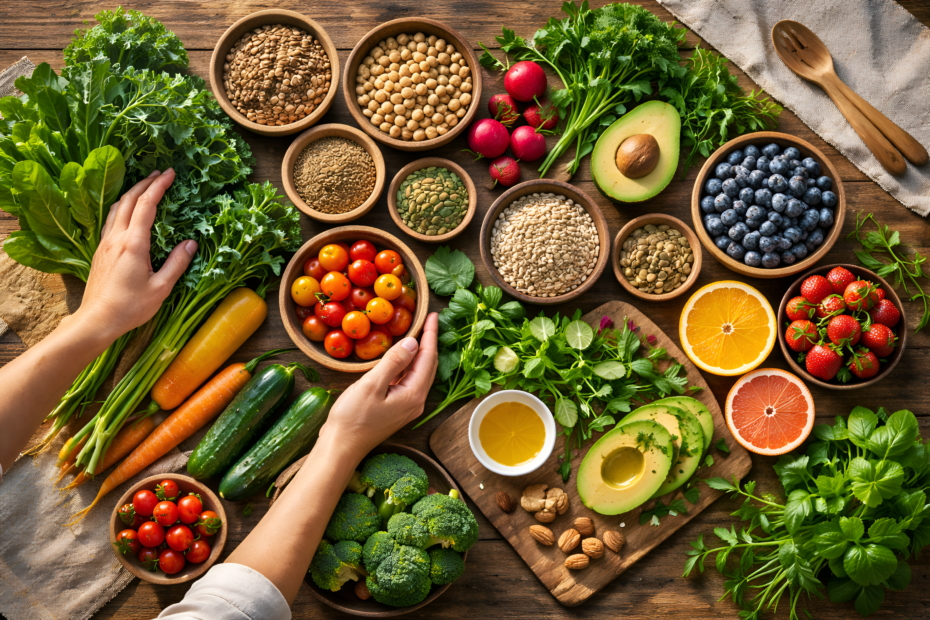
When we talk about plant-based eating, we’re referring to a nutrition and diet approach that emphasizes whole foods from plant sources. This includes vegetables, fruits, whole grains, legumes, nuts, seeds, and herbal plants. You don’t necessarily need to eliminate all animal products to experience plant-based eating benefits—even increasing your intake of plant foods can create remarkable health improvements.
Simple Nutrition Habits for Nature Life-Style (Simple Nutrition Habits for a Nature-Based Lifestyle | MyPacificTimes )
The magic of plant-based nutrition lies in what these foods provide. Plants are packed with fiber, antioxidants, vitamins, minerals, and thousands of beneficial compounds called phytonutrients. These natural substances work together in ways that no supplement can replicate, creating a synergy that supports every system in your body.
Think of your body as a garden. When you nourish it with diverse plant foods, you’re essentially planting seeds of health that grow into disease resistance, vitality, and longevity. This health and nature connection isn’t metaphorical—it’s biological reality.
How Plant-Based Eating Transforms Your Health
The plant-based eating benefits for your cardiovascular system are particularly impressive. Studies consistently show that people who eat more plant foods have significantly lower rates of heart disease. Plants are naturally free from cholesterol and low in saturated fats, while being rich in fiber that actively helps remove excess cholesterol from your body.
Your heart loves plants. The antioxidants in colorful fruits and vegetables protect your blood vessels from damage, while the potassium in leafy greens helps regulate blood pressure naturally. When you embrace plant-based nutrition and diet patterns, you’re giving your heart exactly what it needs to keep beating strong for decades.
But the benefits extend well beyond your cardiovascular system. Plant-based eating supports healthy weight management in a way that feels natural and sustainable. Unlike restrictive diets that leave you hungry and unsatisfied, whole plant foods are naturally filling due to their high fiber and water content. You can eat satisfying portions while naturally consuming fewer calories—no counting or measuring required.
The Longevity Connection
Perhaps the most compelling aspect of plant-based eating is its impact on longevity. Research from Blue Zones—regions where people routinely live past 100 years—reveals a common thread: these populations eat predominantly plant-based diets. Whether it’s the Okinawans with their sweet potatoes and greens, or the Seventh-day Adventists in California with their nuts and legumes, the longevity leaders all emphasize plants.
This isn’t coincidental. Plant foods contain compounds that literally slow down cellular aging. Antioxidants from berries, leafy greens, and herbal plants combat oxidative stress that damages your cells over time. The anti-inflammatory properties of plant foods help prevent the chronic inflammation that underlies most age-related diseases.
Your telomeres—the protective caps on your chromosomes that shorten as you age—actually maintain their length better when you eat more plants. This means plant-based eating benefits occur at the most fundamental level of your biology, potentially adding healthy years to your lifespan.
Herbal Plants: Nature’s Medicine Cabinet
Within the world of plant-based eating, herbal plants deserve special attention. These aren’t just flavoring agents for your meals—they’re concentrated sources of healing compounds that have supported human health for millennia. The health and nature connection shines brightest in these powerful botanicals.
Turmeric, with its active compound curcumin, fights inflammation throughout your body. Ginger soothes digestion and reduces nausea. Garlic supports immune function and cardiovascular health. Fresh herbs like basil, oregano, and cilantro aren’t just delicious—they’re packed with antioxidants that protect your cells from damage.
Incorporating herbal plants into your daily nutrition and diet routine doesn’t require complicated preparations. Fresh herbs in salads, turmeric in smoothies, garlic in sautéed vegetables—these simple additions multiply the health benefits of your meals exponentially.
Doctors about Nature Medicine ( Doctors Say Nature Is Powerful Medicie—but It’s Still Underused )
Green tea, technically an herbal plant infusion, contains catechins that have been linked to reduced cancer risk and improved brain health. Chamomile soothes stress and promotes better sleep. The pharmacy that nature provides through herbal plants is both effective and without the side effects of synthetic medications.
Disease Prevention Through Plant Power
The plant-based eating benefits for disease prevention are perhaps the most well-documented aspect of this nutrition and diet approach. Plant-rich diets are associated with dramatically lower rates of type 2 diabetes, with some studies showing up to a 50% reduction in risk.
For cancer prevention, the evidence is equally compelling. The fiber in plant foods helps eliminate potential carcinogens from your digestive system. Cruciferous vegetables like broccoli and kale contain compounds that help your body detoxify harmful substances. The antioxidants throughout plant foods protect your DNA from mutations that could lead to cancer.
Even brain health responds remarkably to plant-based nutrition. The MIND diet—designed specifically for brain health—emphasizes leafy greens, berries, nuts, and other plant foods. People following this pattern show significantly slower cognitive decline and lower rates of Alzheimer’s disease. Your brain thrives on the diverse nutrients that only plants can provide in their natural, synergistic combinations.
Practical Steps Toward Plant-Based Living
Transitioning toward more plant-based eating doesn’t mean you need to change everything overnight. Start by adding rather than subtracting. Add berries to your breakfast. Experiment with herbal plants in your cooking. These small additions naturally crowd out less healthy options over time.
Make plants the star of your plate rather than the side dish. Build meals around beans, lentils, whole grains, and vegetables, using animal products as occasional accompaniments if desired. This shift in perspective transforms your relationship with food and naturally increases your intake of plant-based eating benefits.
Explore the incredible diversity of plant foods available. Try a new vegetable each week. Experiment with different whole grains beyond rice and wheat. Discover the variety of legumes from different cultures. This health and nature exploration keeps your nutrition and diet exciting while ensuring you get a wide range of nutrients.
Don’t forget about preparation methods that preserve and enhance plant nutrients. Steaming vegetables maintains more vitamins than boiling. Eating some raw foods ensures you get enzymes and certain vitamins that heat destroys. Combining different plant foods in single meals creates nutritional synergies—like pairing vitamin C-rich foods with iron-rich plants to enhance absorption.
The Environmental and Ethical Dimensions
The plant-based eating benefits extend beyond personal health to planetary health. Plant-based diets require significantly less water, land, and energy to produce than animal-based diets. By eating more plants, you’re not just nourishing your body—you’re contributing to a more sustainable food system.
This connection between personal health and nature, environmental health creates a beautiful cycle. When you choose plants, you support farming practices that can regenerate soil, protect biodiversity, and reduce greenhouse gas emissions. Your daily food choices become votes for a healthier planet, which in turn supports the health of future generations.
Emotional Balance Through Nature (Mental Resilience Through Nature: Emotional Balance Guide | My pacific times)
Creating Your Plant-Based Path
Remember, the goal isn’t perfection—it’s progress. Every plant-based meal you eat contributes to better health and longevity. Whether you’re incorporating more herbal plants into your cooking, trying “Meatless Mondays,” or fully embracing plant-based nutrition and diet principles, you’re moving in a direction that science consistently shows leads to better health outcomes.
Listen to your body as you increase plant foods. Notice how your energy levels improve, how your digestion becomes more regular, how your skin glows with better nutrition. These aren’t just superficial changes—they’re outward signs of the profound healing happening inside your body at the cellular level.
The path to longevity doesn’t require expensive supplements or complicated protocols. Nature has already provided everything you need in the form of plants. By honoring the health and nature connection through your daily food choices, you’re investing in not just a longer life, but a healthier, more vibrant existence at every age.
Start today with one simple choice: add more color from plants to your next meal. Your body—and your future self—will thank you for embracing the remarkable plant-based eating benefits that support both immediate vitality and long-term longevity.